



Explore results and analytic products related to country progress in RMNCAH-N.

Countries to be launched...
COUNTRY PROFILE
Zimbabwe
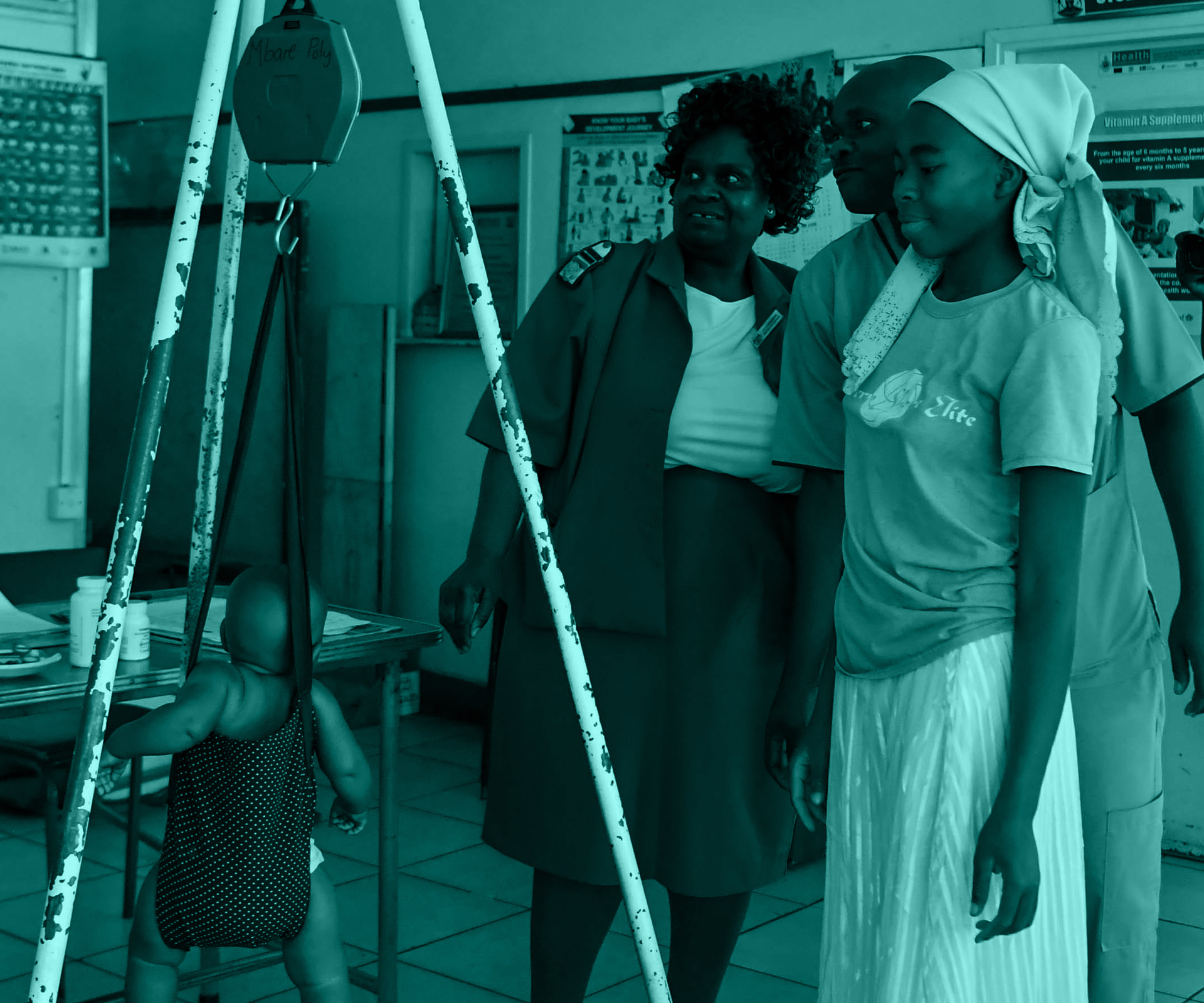
Priority Areas by GFF Engagement
This section presents a selection of country routine and project indicators tagged across national priorities and GFF areas of engagement. Users can select a thematic card to view the indicators grouped under that area of engagement and visualize corresponding national and subnational trends in the implementation progress section, where available. Because indicators are relevant to multiple strategic priorities, please note that some may appear under more than one category.
Implementation Progress Data
This section includes selected indicators from the Investment Case Results Framework, Health Financing priorities, and the relevant World Bank projects. Indicators have been tagged by technical programmatic areas to support thematic analysis and visualization. Use the dropdown menu to select an indicator and view the corresponding data. Where subnational data is available, the map will display either time trends or the most recent data for each region. Hovering over the map reveals additional details for the selected indicator, and clicking on a region adds it to the chart on the right. All data, including source information, can be downloaded by clicking the arrow next to the indicator dropdown.
Implementation Progress
Indicator (This is a Standard Indicator.)
Indicator:
This is a Standard Indicator.
Source:
Impact Indicators
This section presents core impact indicators for RMNCAH-N and health financing. These indicators track health outcomes and financing performance, aligned with global targets to support evidence-based planning and resource allocation.
Core RMNCAH-N Impact Indicators
The 8 GFF core impact indicators reflect updates aligned with the in-country survey schedule which optimally occurs once every three to five years to determine population-based changes in important health and nutrition outcomes. These indicators are core to the GFF Logic Model, to reflect impact of aligned interventions over time.
CORE RMNCAH-N IMPACT INDICATORS
Note:
The GFF highlights progress between the two most recent point estimates from population-based surveys approved by countries. The timing of the data points is dependent on when survey data are available, which introduces lags. In addition, it has been demonstrated that stillbirths tend to be under-reported in population based surveys1.
Source:
Alternative Data Sources:
For many of the indicators highlighted in this table, annual estimates are produced through global processes. The globally produced estimates can be found through the following sites:
- Data, estimates, model codes, and country profiles
- Stillbirth, neonatal and under five mortality estimates
- Adolescent birth rate
- Stunting and wasting (for the latter, regional and global estimates only)
* Percent of births <24 months after the preceding birth : Figure derived from table 5.5 pg 102
Core Health Financing Indicators
The six GFF core health financing indicators track changes to country budget and expenditures with a focus on health spending, to monitor the expected impact of increasing the total volume and value of funding allocated to health and nutrition. The GFF partnership supports financing reforms by engaging with ministries of finance and ministries of health to strengthen mobilization of domestic resources as well as allocative and technical efficiency. These indicators are tracked through country-specific data sources such as BOOST, NHA, and budget reports. Expenditure data are tracked through the Global Health Expenditure Database (GHED), for which data are available through the end of 2018. Through measurement of budgets and expenditures, the GFF partnership aims to accelerate the expansion of interventions that are high-impact, cost-effective, affordable, and feasible to accelerate progress on universal health coverage and in achieving SDG targets.
CORE HEALTH FINANCING INDICATORS
Source:
Survey and Estimated RMNCAH-N Coverage
The Zimbabwe team collaborated with Countdown to 2030 and GFF in an analysis workshop in Nairobi Kenya, in June April, 2025. As a result of that workshop the team estimated coverage of key service delivery indicators for participating countries that can be found in this link.
The RMNCAH-N coverage data includes a standard set of 15 RMNCAH-N coverage indicators from available population-based surveys from 2010 to the most recent available survey. These indicators show progress towards key goals across maternal, child, and adolescent health and nutrition outcomes. Additional key nutrition-sensitive and/or education-specific coverage indicators are presented for countries where the GFF co-finances a nutrition-focused World Bank project or where education is a strong focus of the IC.
The RMNCAH-N coverage data are sourced from the most recent available population-based surveys.
Data and Analytics Partnerships
The GFF works in close collaboration with governments and technical partners to strengthen national data systems and promote the use of evidence for decision-making. Through initiatives such as FASTR, AdLAB, Countdown and MAGE, countries are supported to generate, analyze and apply data to improve planning, equity and accountability for women, children and adolescents’ health. Learn more about these partnerships and how they support country-led and results-driven efforts.
Countdown to 2030
Countdown works with countries to analyze health trends and equity gaps. It supports subnational tracking and data use to improve planning and resource allocation for RMNCAH-N priorities through technical collaboration and capacity strengthening.
Monitoring and Action for Gender and Equity

MAGE (Monitoring and Action for Gender and Equity) supports data and analyses for prioritizing and tracking reforms that advance gender equality and women's, children's, and adolescents' health. It supports countries to generate and use data and analyses for more gender equitable health systems and services.
GFF Partner Country Zimbabwe
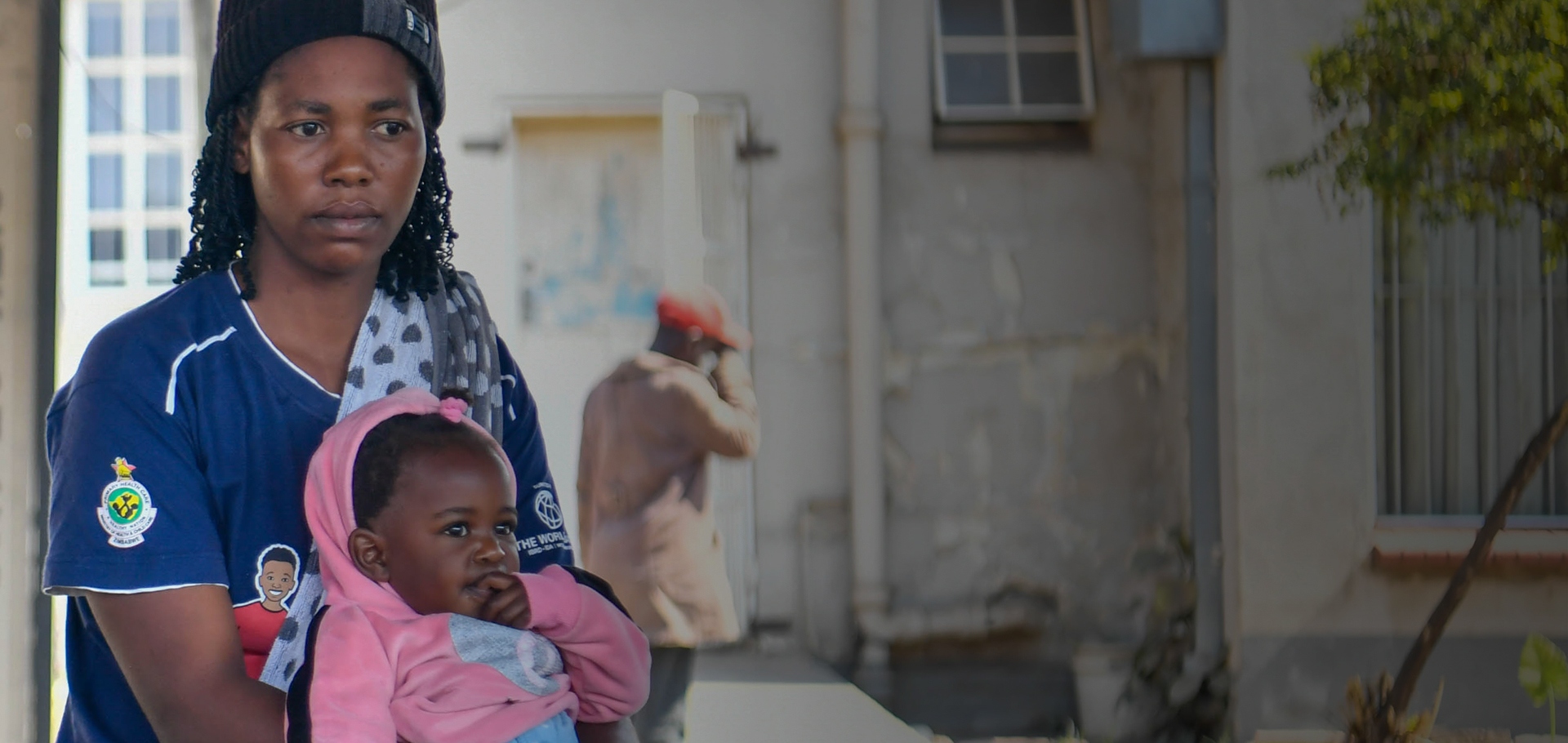
Zimbabwe is currently developing the RMNCAH-N Strategy 2026–2030, which will serve as the next investment case following the conclusion of the National Health Strategy (NHS) Investment Case 2021–2025. The outgoing investment case supported the broader health sector, with a particular focus on improving health and nutrition outcomes for women, children, and adolescents.
Regarding GFF engagement, the RMNCH Technical Working Group serves as Zimbabwe’s country platform for coordination and alignment among development partners. Through this platform, GFF continues to advance the country’s results agenda and strengthen evidence-informed decision making.
Under the Countdown to 2030 Country Collaboration, the GFF supported the University of Zimbabwe in building the capacity of analysts from sub-national regions in operations research, with a particular emphasis on qualitative research methods. The resulting research projects responded to priority questions identified by the Ministry of Health and Child Care (MoHCC) to improve women’s, children’s, and adolescents’ health. Implemented with guidance from the MoHCC) and the African Population and Health Research Center (APHRC), this initiative culminated in the Inaugural National MNCH Conference in March 2026 — a milestone recognized as a best practice in country-level knowledge generation, use, and engagement.
The GFF is also supporting Resource Mapping and Expenditure Tracking, with a focus on institutionalization and digitization to strengthen sustainability. In addition, GFF is facilitating the shift from the in-person Vital Medicines Availability and Health Services (VMAHS) survey to the more efficient FASTR phone survey. GFF’s support to Zimbabwe through the Countdown to 2030 and FASTR initiatives is also helping Zimbabwe strengthen their health management information system (HMIS) system and their capacity to analyze, interpret and use available RMNCAH-N data for planning and decision-making.
Zimbabwe has successfully implemented a $15 million Essential Health Services Grant from the GFF, provided as additional financing to the World Bank's Zimbabwe COVID-19 Emergency Preparedness and Essential Health Services Project, which closed in August 2025. The grant strengthened health systems across 25 districts, with a focus on restoring RMNCH services disrupted by COVID-19. Key activities included integrated outreach, community-based surveillance, family planning commodity security, equipping surgical maternity theatres, and digital health innovations such as the electronic maternal and perinatal death notification system.
Building on these investments, the country is now preparing a multisectoral project to address high rates of teenage pregnancy and broader adolescent health challenges through the East Africa Girls Empowerment and Resilience Project (EAGER), a World Bank Regional Multi-Phase Programmatic Approach (MPA). This agenda closely aligns with the GFF Global Strategy 2026–2030, which places renewed emphasis on investments that improve adolescent health, gender equality, and opportunities for girls through stronger health systems and multisectoral action.